
Not Your STEM Hub: How Robotech is Powering Tanzania's Industrialization
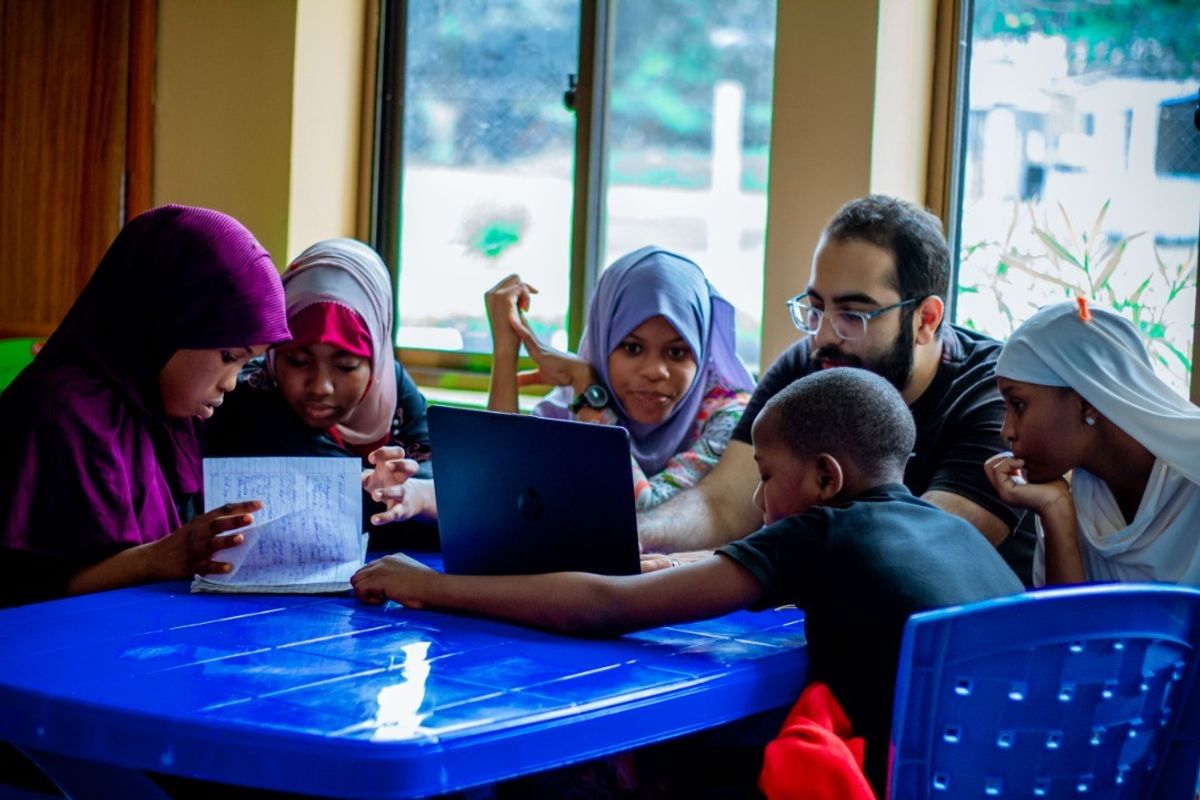
Robotech has been in the business of bringing prototypes to life since 2021. It has solved over 100 complex engineering problems as Tanzania's premier robotics lab.
Tanzania has numerous STEM (science, technology, engineering, and mathematics) learning centers. ProjeKt Inspire and Taifa Technovation are two examples, as are Adilisha and Createch. They all have one thing in common: they all aim to train the next generation of scientists and engineers, as well as to provide children with future-proof skills. However, STEM bootcamps are not the end goal for Robotech's founder, Shaukatali Zahir Hussein.
Robotech is a pioneering maker space that began or is incorrectly regarded as, yet another STEM hub. Shaukatali and his team offer intensive, practical training and knowledge application programs in which learners - who are not limited to kids - develop tangible technology.
The makerspace provides eight services to its clients: Prototyping and Testing, 3D Printing and Scanning, Computer-aided Design and Manufacturing (CAD/CAM), Software Development, App Development, CNC Machining and Laser Cutting, and Printed Circuit Board (PCB) Design and Development. By leveraging these eight solutions, the Lab has successfully implemented its internal technical projects and provided Tanzanian youth with the necessary resources to turn their ideas into reality.
Robotech generates not a simply intellectual effect but, more crucially, real 'things'. Their STEM education and training are merely icing on the cake. The makerspace has immense potential to drive Tanzania's industrial economy.
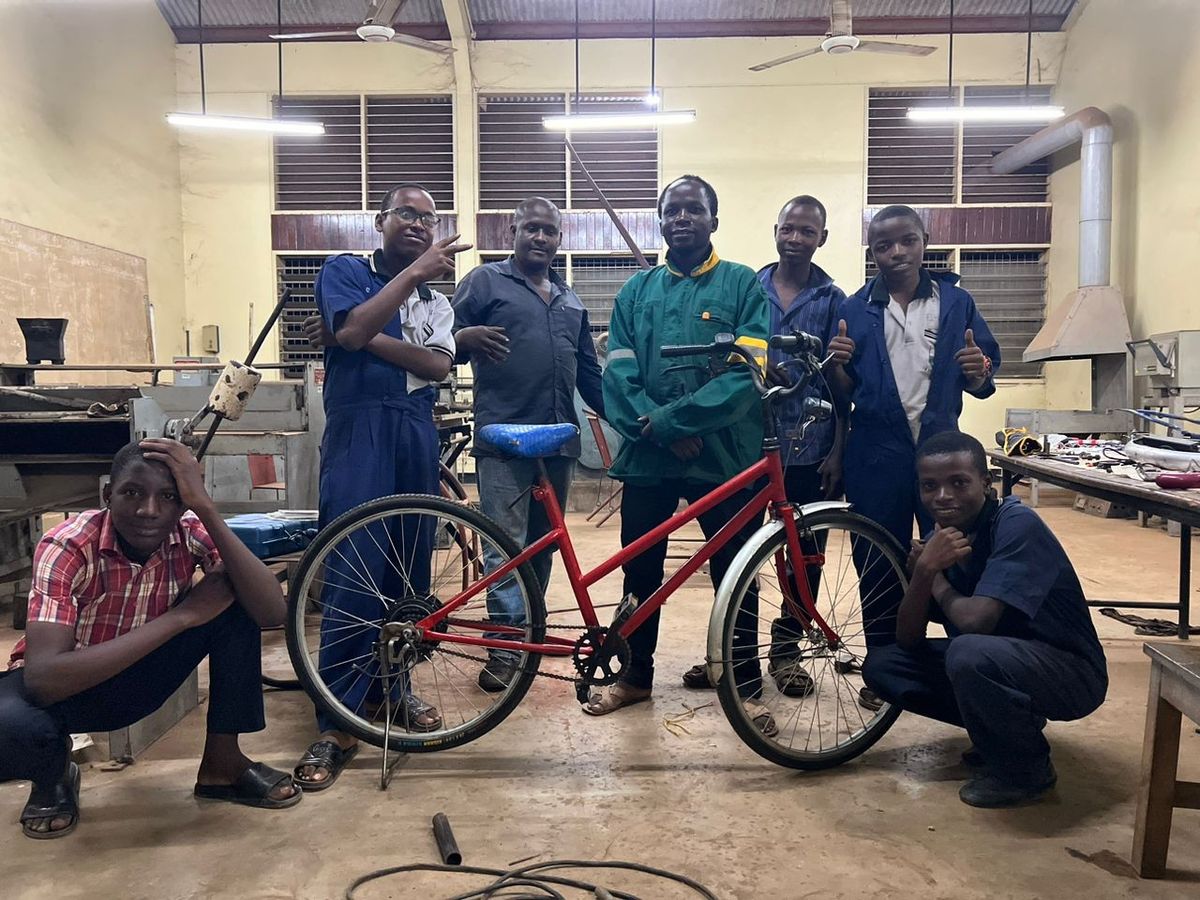
To achieve Tanzanian industrialization, the country must go beyond teaching skills for the sake of teaching skills. Tanzania needs builders, not individuals who know how to build. We need industrialists. And, happily, Robotech is here to guide the way, like a light at the end of a tunnel.
"The difference is that we are more youth and community oriented," Shaukatali told Atoms + Bits. "We go beyond inspiration to implementation, practicability, and scalability." Robotech eventually hopes to assure the sustainability of both its business model and the products they produce via external finance.
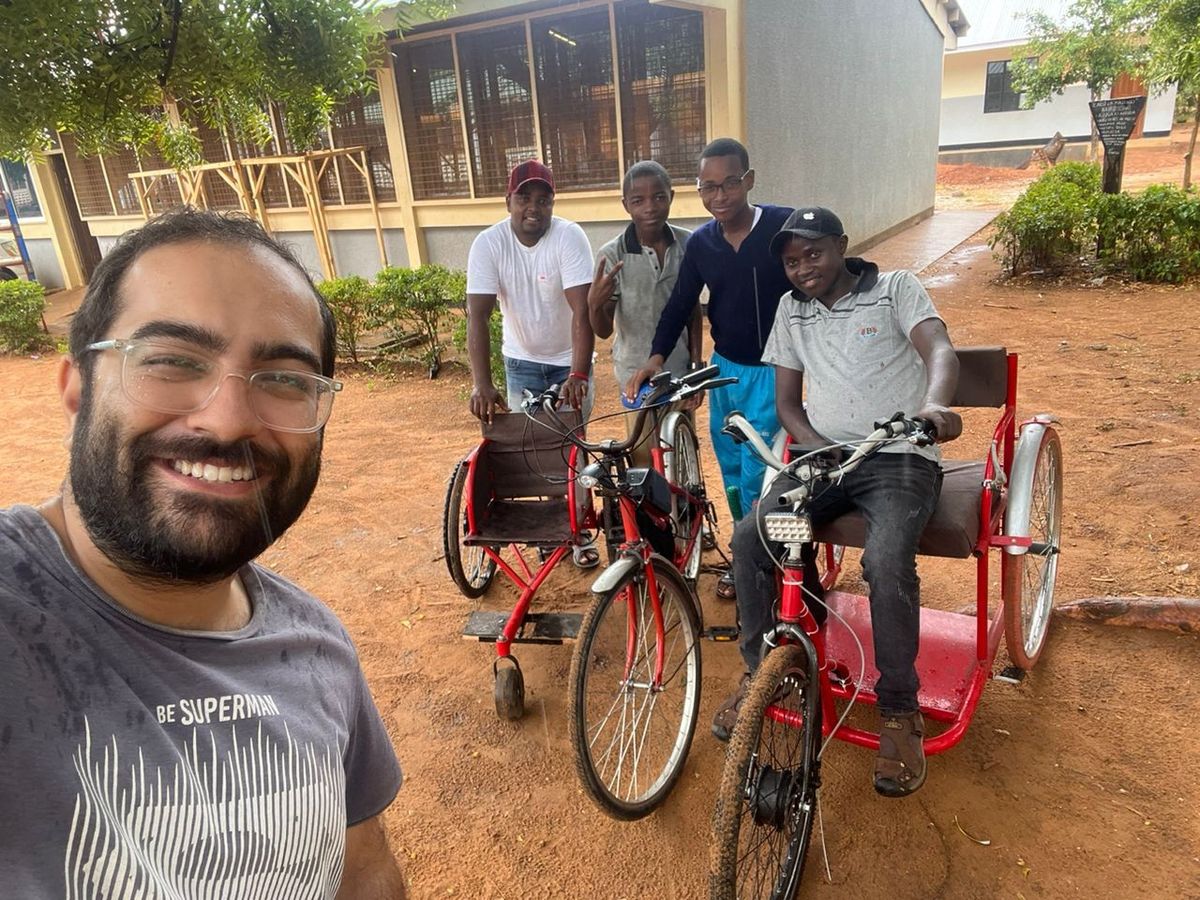
Tanzania's first prototype electric vehicle (EV) was designed by Shaukatali and Robotech makers in 2022, according to Gazeti la MwanaSayansi. The EV exhibited indigenous youth engineering advancements in mechanical and electric system design. But that was just the beginning. Robotech recently displayed its youth-built electric motorcycle and tricycle at the Africa E-Mobility Forum 2023.
Shaukatali is positive about the future of hands-on engineering in Tanzania, although he believes "there are a lot of things to improve on and work on." These challenges include taxation rules and funding methods devoted to makerspaces rather than STEM hubs. Because, despite the necessity of encouraging young children to explore careers in STEM, the benefits of a product-producing makerspace need more attention than it now receives.
In addition, Robotech works in collaboration with the Tanzania Open Innovation Organization (TOIO), which was also formed by Shaukatali Zahir in 2019. The two maker-spaces adopt a community-based approach to innovation, which is unheard of in the children-focused world of STEM hubs.
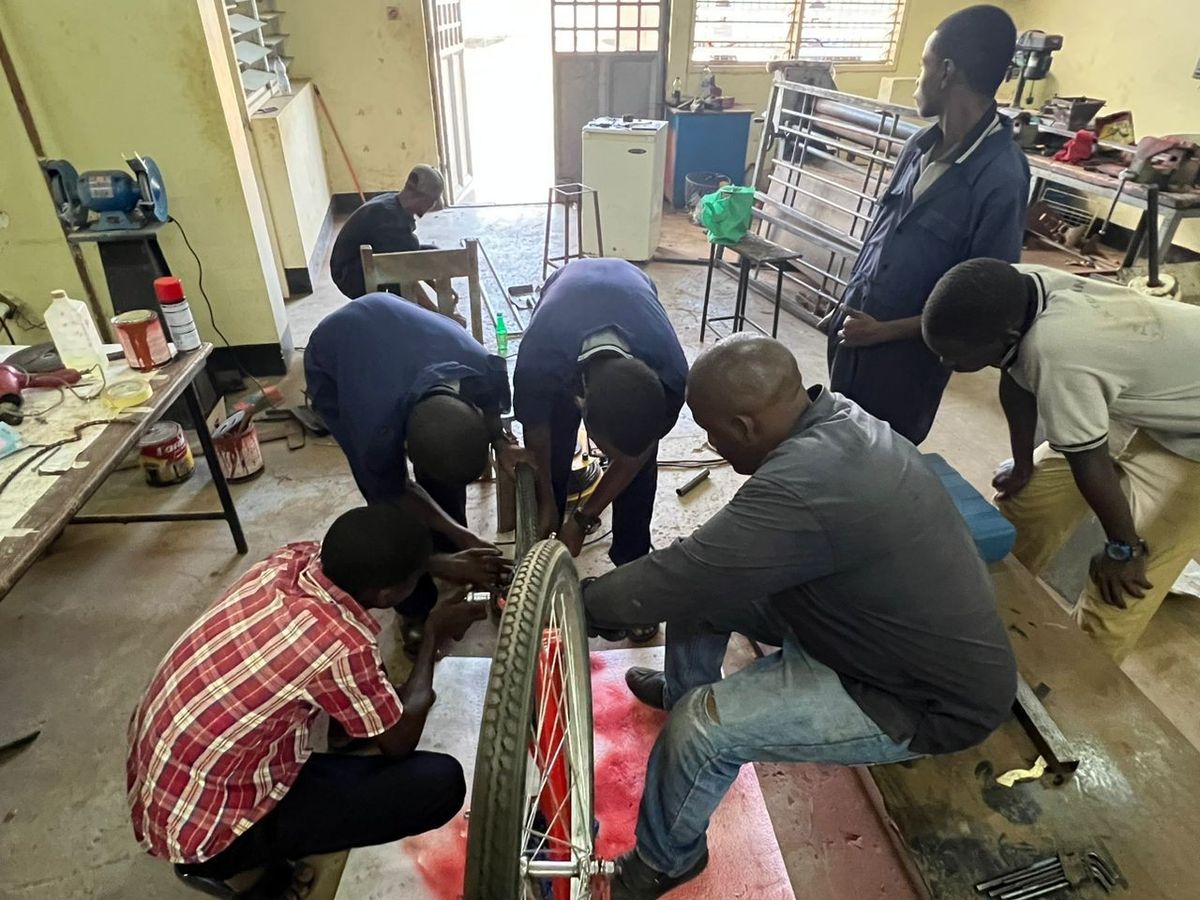
With sufficient and ongoing backing, Robotech is certain to provide Tanzania with an infinite stream of physical innovations. Because, to be honest, the country has achieved enormous breakthroughs in ICT (information and communication technologies) at the price of hardware development.
To achieve national industrialization, the overvaluation of software (bits) must give way to encouraging and investing in the atoms-side of things. Only then can we harness the potential of atoms and bits to promote meaningful economic growth.
Robotech is Tanzania's initial move toward exporting breakthrough technologies around the world. And, thanks to the African Free Continental Trade Agreement (AfCTA), it should not be difficult to find buyers and users of Tanzanian technical products.
Atoms + Bits hopes for a future era in which STEM hubs exist, but makerspaces are granted a place at the financial and support table. According to Shaukatali, Robotech serves as a solid model for "making things" in Tanzania. Working with Robotech or adopting the makerspace model of education pioneered by Shaukatali Zahir can benefit the Dar es Salaam Institute of Technology (DIT) and others across the country.
The future is enthralling, and Robotech Labs will play a significant role in Tanzania's automation revolution.
![This Week in Tanzanian Tech and Finance [April 13-19, 2026]](https://cdn.sanity.io/images/y15xx98w/production/cc27d36191c943661b0bc7e1aa2d7819adc8db9f-1600x900.png?rect=125,0,1350,900&w=600&h=400)